Commercial Laminate Flooring vs. Traditional Hardwood
People searching for commercial laminate flooring or hardwood installation are typically looking to enhance their space with durable, attractive floors, and local service providers can help them choose and install the best option for their needs.
Choosing between commercial laminate flooring and traditional hardwood is a common consideration for property owners looking to update or enhance their spaces. Whether for a retail storefront, office, or other commercial setting, understanding the differences can help make informed decisions that align with practical needs and aesthetic preferences. Local contractors specializing in flooring installation can provide valuable insights and expertise, ensuring that the chosen flooring type meets the demands of the environment while fitting within the overall design vision.
Property owners in the area often explore this comparison to weigh factors like durability, maintenance, and cost-effectiveness. Commercial laminate flooring offers a resilient surface that resists scratches and moisture, making it suitable for high-traffic areas, while hardwood provides a timeless appeal that can elevate the look of a space. Connecting with experienced local service providers can help clarify which option aligns best with specific project requirements, providing professional installation that maximizes the benefits of each flooring type. Keep reading to discover more about how these flooring options differ and how local experts can assist in bringing the right choice to life.
Get Quotes for Commercial Laminate Flooring Or Hardwood Installation
- Commercial laminate flooring vs. traditional hardwood - local contractors can help determine the best flooring option based on durability needs and usage conditions.
- Commercial laminate flooring vs. traditional hardwood - service providers can install these materials efficiently to minimize disruption in busy commercial spaces.
- Commercial laminate flooring vs. traditional hardwood - local pros assess subfloor conditions to ensure proper installation and long-lasting results.
- Commercial laminate flooring vs. traditional hardwood - professionals can advise on maintenance requirements and how each option holds up over time.
- Commercial laminate flooring vs. traditional hardwood - experienced installers handle the installation process tailored to the specific demands of commercial environments.
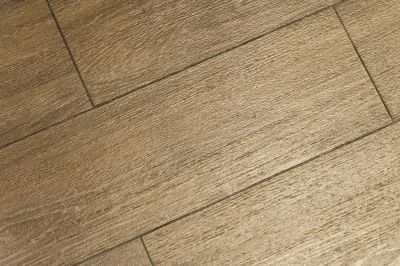
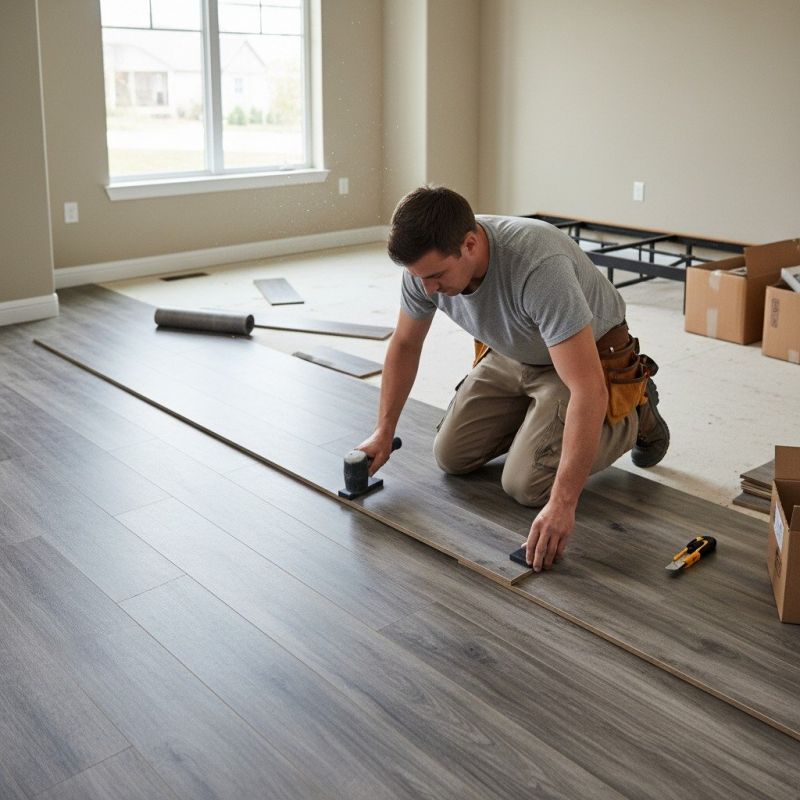
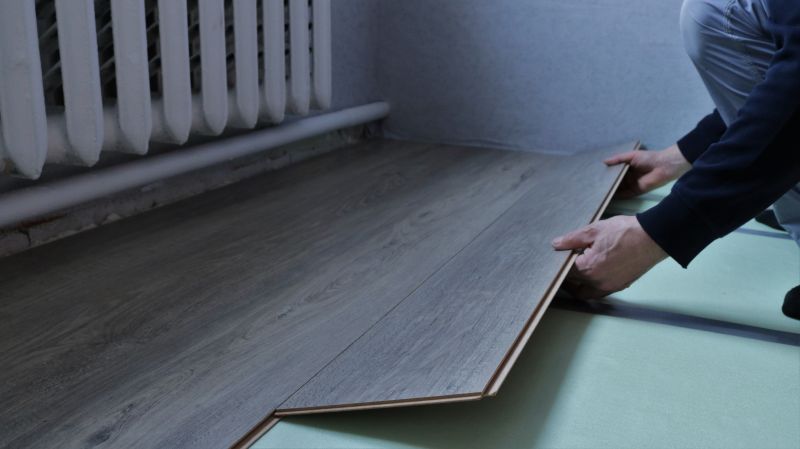
When people search for information about commercial laminate flooring versus traditional hardwood, they are often trying to determine which type of flooring best suits their specific property and project needs. This comparison typically arises during planning for renovations or new installations in commercial spaces like retail stores, offices, or restaurants, as well as in residential settings such as living rooms, kitchens, or basements. Homeowners and property managers want to understand the differences in appearance, durability, maintenance, and cost to make informed decisions that align with their long-term goals. The search often reflects a desire to balance aesthetic appeal with practicality, especially in areas with high foot traffic or heavy use.
Problems and plans related to this comparison usually involve selecting flooring materials that can withstand daily wear and tear while maintaining visual appeal. Property owners may be weighing the benefits of a more affordable, easy-to-install option against the timeless look and feel of traditional hardwood. They might also be considering the need for minimal downtime during installation or the ability to replace flooring parts easily in case of damage. These considerations are particularly relevant for commercial properties where durability and cost-effectiveness are critical, but they also apply to residential projects where style and comfort matter. Local service providers specializing in flooring installation can help evaluate these factors and recommend solutions tailored to the property’s use and design preferences.
The types of properties that come up in these discussions typically include high-traffic commercial spaces, such as retail stores, hospitality venues, or office buildings, where flooring must endure constant use. Residential properties like living rooms, kitchens, or basements also feature prominently, especially when homeowners seek a balance between style and practicality. In commercial settings, durability and ease of maintenance often take priority, making laminate flooring a popular choice. Conversely, traditional hardwood is frequently chosen for its classic look and potential for refinishing, appealing to homeowners aiming for a warm, upscale aesthetic. Local contractors experienced in installing both types of flooring can help property owners understand how each option performs in different environments.
Understanding how commercial laminate flooring compares to traditional hardwood helps property owners make choices aligned with their specific needs. For those considering a renovation or new installation, knowing the advantages and limitations of each material guides planning and budgeting. Local service providers can assist with evaluating the property's demands, recommending suitable flooring options, and handling the installation process efficiently. Whether aiming for a resilient surface that minimizes maintenance or a timeless look that adds value and character, property owners can rely on experienced local contractors to deliver results that match their vision. This connection between project goals and available flooring options makes choosing the right material a more straightforward and informed process.
Commercial flooring installation - professionals experienced in installing various types of flooring, including laminate and hardwood, can handle planning and execution for large-scale commercial projects.
Flooring repair and refinishing - local contractors skilled in repairing and refinishing hardwood floors are familiar with techniques applicable to maintaining and restoring traditional hardwood surfaces.
Underlayment and subfloor preparation - experts in preparing subfloors and installing underlayment are essential for ensuring proper installation of both laminate and hardwood flooring.
Interior remodeling projects - contractors involved in remodeling can coordinate flooring installation as part of broader space updates, requiring similar planning and skill sets.
Commercial space planning - professionals who assist with layout and material selection for commercial interiors are familiar with flooring options like laminate and hardwood.
Flooring removal services - specialists in removing existing flooring prepare the space for new installations, whether it’s laminate or hardwood, requiring comparable tools and techniques.
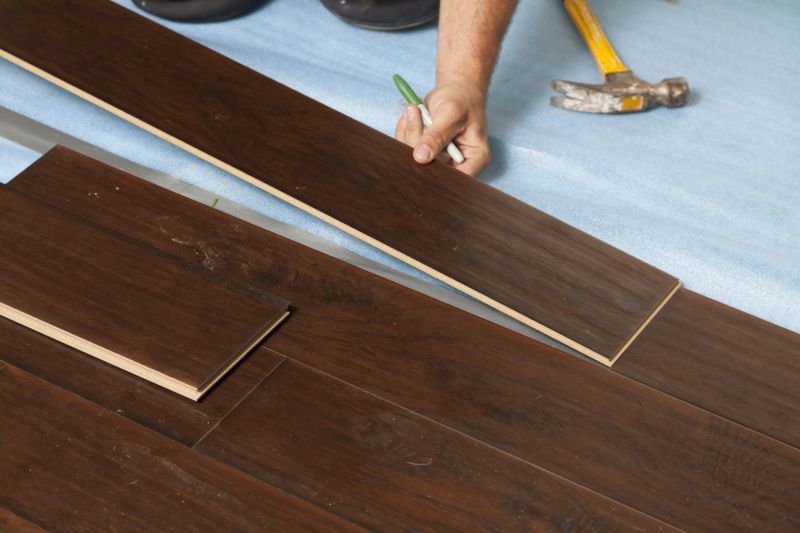
When comparing contractors for commercial laminate flooring versus traditional hardwood installation, it’s important to consider their experience with similar projects. Homeowners should inquire about the types of flooring projects the service providers have handled in the past, ensuring they have relevant expertise in commercial settings and familiarity with the specific requirements of laminate versus hardwood surfaces. Contractors with a proven track record in installing both types of flooring can often provide insights into the best materials and installation methods for each, helping to ensure the finished work meets expectations.
Clear, written expectations are essential when choosing a service provider for flooring installation. Homeowners should seek detailed proposals that outline the scope of work, materials to be used, and the estimated timeline. This clarity helps prevent misunderstandings and provides a reference point throughout the project. Service providers who communicate openly and provide comprehensive documentation demonstrate professionalism and a commitment to transparency, making it easier for homeowners to compare their options and select the contractor that best aligns with their project needs.
Reputable references and good communication are key factors in selecting reliable local contractors for flooring projects. Homeowners are encouraged to ask for references from previous clients who had similar work completed, especially in commercial or high-traffic environments. Listening to feedback about the contractor’s responsiveness, professionalism, and ability to meet deadlines can reveal much about their reliability. Effective communication throughout the project ensures that any questions or concerns are addressed promptly, contributing to a smoother installation process whether choosing commercial laminate flooring or traditional hardwood.
Get a Quote for Commercial Laminate Flooring Or Hardwood Installation
Property owners often search for commercial laminate flooring vs. traditional hardwood when they are planning practical projects around their homes and businesses. Local pros provide Commercial Laminate Flooring or Hardwood Installation services for everyday jobs and straightforward project options.
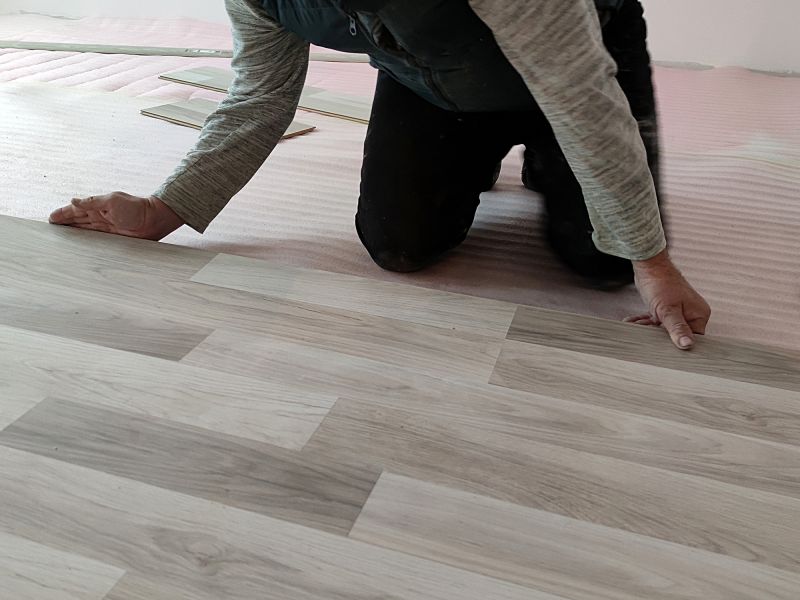
When considering flooring options for a commercial space or a busy household, property owners often compare commercial laminate flooring to traditional hardwood to determine which best suits their needs. Commercial laminate flooring is known for its durability and resistance to scratches, dents, and moisture, making it an attractive choice for high-traffic areas or spaces prone to spills. On the other hand, traditional hardwood offers a timeless aesthetic with natural beauty that can add warmth and elegance to any room. Property owners in the area might look up this topic to understand which flooring type will hold up better over time and require less maintenance, especially when planning for long-term use.
Local contractors who specialize in flooring installation can help property owners weigh the benefits of commercial laminate flooring versus hardwood based on the specific demands of their space. Whether it's a retail store, office, or residential setting, these service providers can advise on the installation process, material suitability, and how each option aligns with the property's aesthetic and functional goals. Connecting with local pros ensures that the chosen flooring is installed properly, helping property owners make informed decisions tailored to their everyday project situations.
Get a Quote for Commercial Laminate Flooring Or Hardwood Installation
How does commercial laminate flooring compare to traditional hardwood in terms of durability? Commercial laminate flooring typically offers higher resistance to scratches, dents, and moisture, making it suitable for high-traffic areas, while traditional hardwood may be more susceptible to wear and damage over time. Local contractors can assess the specific needs of a space to recommend the best option.
Is commercial laminate flooring easier to install than traditional hardwood? Yes, commercial laminate flooring generally features a click-lock installation system that allows for quicker and simpler installation compared to traditional hardwood, which often requires more extensive preparation and finishing work. Service providers can handle the installation process efficiently.
Can commercial laminate flooring be refinished like traditional hardwood? Typically, commercial laminate flooring cannot be refinished because it has a photographic layer topped with a protective wear layer, unlike hardwood, which can be sanded and refinished multiple times. Local pros can advise on maintenance and lifespan expectations for each option.
How do the maintenance requirements of commercial laminate flooring compare to traditional hardwood? Commercial laminate flooring generally requires less maintenance, as it resists stains and moisture more effectively and does not need polishing or refinishing, whereas hardwood may need regular polishing and occasional refinishing to maintain its appearance. Local service providers can offer cleaning and maintenance services.
What are the aesthetic differences between commercial laminate flooring and traditional hardwood? Commercial laminate flooring is available in a wide variety of styles and patterns that mimic hardwood, but it may lack the natural warmth and unique grain patterns of real hardwood. Local contractors can help select the best style to match the desired look of a space.
Assessing Durability Needs - Property owners can evaluate the expected foot traffic and wear in their spaces to decide whether commercial laminate flooring or hardwood is more suitable, with local contractors providing guidance.
Choosing Aesthetic Styles - Selecting between the appearance of traditional hardwood and the variety of designs available in laminate flooring can help property owners match their interior decor, with local pros assisting in style selection.
Considering Installation Environment - Understanding the environment, such as moisture levels or heavy use areas, can influence the choice of flooring type, with local service providers offering options tailored to specific conditions.
Planning for Future Maintenance - Property owners can plan for ongoing upkeep by comparing maintenance requirements of laminate versus hardwood, with local contractors advising on best practices for each flooring type.
If you are thinking about commercial laminate flooring vs. traditional hardwood for a property, this guide is meant to help you understand this topic, the typical project types, and how different options might fit your plans.
When you are ready, you can use the quote form on this page to share a few details about your project. From there, local pros can review the basics and follow up with options that match what you have in mind.
Get a Quote for Commercial Laminate Flooring Or Hardwood Installation